


Several high‐risk patient populations, including young children, pregnant women, and patients taking strong enzyme‐inducing drugs (e.g., rifampicin, efavirenz), have altered pharmacokinetics that result in less optimal exposure to antimalarial drugs. This increases the rate of treatment failure with current regimens and dosing.
Treatment failure rates are also significantly higher in patients with high parasitemia and in patients living in areas with artemisinin‐resistant P. falciparum malaria, and these groups require higher “exposure” (i.e. longer exposure) to antimalarial drugs than currently recommended doses of artemisinin‐based combination drugs (ACTs).
However, it is often difficult to determine the best way to achieve this. Options include increasing the dose, changing the frequency or timing of dosing, or adding another antimalarial drug. However, increasing the dose may not achieve the desired exposure (e.g. saturation of lumefantrine absorption), or the dose may be toxic due to temporarily too high plasma concentrations (piperaquine, mefloquine, amodiaquine, pyronaridine). Another benefit of extending the treatment duration (using a 5‐day regimen) is that it provides additional exposure to the artemisinin components of the asexual parasite cycle as well as increased exposure to the partner drugs. The acceptability, tolerability, safety, and efficacy of each intensified ACT in these special circumstances need to be urgently evaluated.
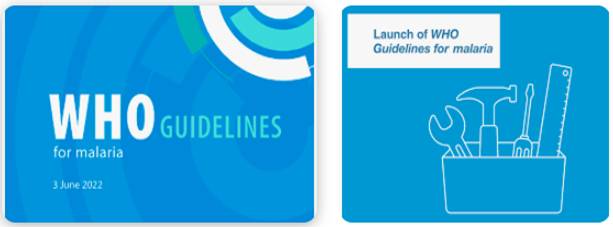
Figure 1. Latest updated version of Malaria‐related Guidelines, including malaria treatment (WHO, 2022)
Obese and overweight adults
Large adults are at risk of receiving low or under‐dosing when dosing is based on age or in standard regimens based on body weight. As a rule, dosing for large adults should be based on mg/kg body weight per course of antimalarial therapy. This may in practice result in the need to open “double‐packs” of antimalarials to ensure adequate treatment. In obese patients, drugs are less distributed to fat than to other tissues; therefore, they should be dosed based on an estimated lean body weight (weight including muscle, bone, viscera, and fat), ideal body weight. Heavier but not obese patients should receive the same mg/kg body weight as lighter patients.
In the past, maximum doses have been recommended, but there is no evidence or scientific basis for this. Because evidence regarding the relationship between dose, pharmacokinetics, and outcomes in obese or large adults is limited and alternative dosing methods have not been evaluated in clinical trials, this knowledge gap needs to be addressed urgently. In the absence of data, treatment providers should attempt to monitor outcomes in large adults whenever possible.
Pregnant and lactating women
Malaria in pregnancy is associated with low birth weight, anemia, and in areas of low transmission, an increased risk of malignant fever, miscarriage, and death during pregnancy (perinatal mortality). Despite its adverse effects on fetal development, in areas of high transmission, malaria is often asymptomatic in pregnancy or causes only mild, nonspecific symptoms. There is insufficient information on the safety, efficacy, and pharmacokinetics of most antimalarials in pregnancy, particularly in the first trimester.
First trimester of pregnancy
Because major organogenesis occurs during the first trimester, although nervous system development continues throughout pregnancy, this is the time of greatest concern regarding the potential for fetal malformations. Antimalarial drugs considered safe during the first trimester of pregnancy include quinine, chloroquine, clindamycin, and proguanil.
Therefore, the safest treatment for uncomplicated P. falciparum malaria in the first trimester of pregnancy is quinine + clindamycin (10 mg/kg body weight twice daily) for 7 days (or quinine alone if clindamycin is not available). ACT or oral artesunate + clindamycin is an alternative regimen if quinine + clindamycin is unavailable or ineffective.
In practice, women often do not declare their pregnancy in the first trimester or may not realize they are pregnant (or even know they are in the first trimester). Therefore, all women of childbearing age should be asked about the possibility of pregnancy before being prescribed antimalarials. This is standard practice for the use of any drug in women of childbearing potential. However, women in early pregnancy are still at risk of “inadvertent” use of available first‐line/first‐line drugs, primarily ACTs. Published prospective data on 700 women exposed to antimalarials in the first trimester of pregnancy have shown no negative effects of artemisinins (or the drugs included in the combination pill) on pregnancy or the health of the fetus or newborn.
If half of the exposures occurred during the sensitive period of the embryo (4‐9 weeks post‐conception), the available data were sufficient to exclude a ≥ 4.2‐fold increased risk of any major birth defect detectable at birth (the background incidence was assumed to be 0.9%). These data provide reassurance in counseling women exposed to antimalarials in the first trimester of pregnancy and suggest that abortion is not necessary because of this exposure.
Second and third trimesters of pregnancy
Experience with artemisinin derivatives in the second and third trimesters of pregnancy (over 4000 pregnancies have been reported) provides additional reassurance: no adverse effects on the mother or fetus have been reported. The current assessment of the risk‐benefit relationship suggests that ACTs should be used for the treatment of uncomplicated P. falciparum malaria in the second and third trimesters of pregnancy. The current standard regimen of six doses of artemether‐lumefantrine for the treatment of uncomplicated P. falciparum malaria has been evaluated in over 1000 women in the second and third trimesters of pregnancy in controlled trials and has shown to be well tolerated and safe.
However, in some low‐transmission settings on the Myanmar‐Thailand border, the efficacy of the standard 6‐dose artemether‐lumefantrine regimen was lower than that of 7‐day artesunate monotherapy. The lower efficacy may be due to low drug levels during pregnancy, which has also been observed recently in a high‐transmission setting in Uganda and Tanzania. Although many women in the second and third trimesters of pregnancy in Africa have used artemether‐lumefantrine, more detailed studies are underway to evaluate the efficacy, pharmacokinetics, and safety of this drug in pregnant women.

Figure 2. Documents related to malaria treatment have been updated over time.
Similarly, many pregnant women in Africa have been treated with amodiaquine as monotherapy or in combination with SP or artesunate. However, the use of amodiaquine for the treatment of malaria in pregnancy has been formally documented in only over 1,300 pregnant women. The use of amodiaquine in women in Ghana during the second and third trimesters of pregnancy has been associated with frequent mild side effects but no hepatotoxicity, bone marrow suppression, or injury to infants born to mothers who had previously been treated with the drug.
Dihydroartemisinin‐piperaquine phosphate has been used successfully in the second and third trimesters of pregnancy in over 2000 women in the Myanmar‐Thailand border region as rescue therapy and in Indonesia as first‐line treatment. SP, although considered safe, is not suitable for use as a companion drug to artesunate in many areas due to resistance to SP.
If artesunate + SP is used for treatment, the concomitant use of high daily doses of folic acid (5 mg) should be avoided, as this reduces the effectiveness of SP. A lower dose of folic acid (0.4‐0.5 mg body weight/day) or another drug in addition to artesunate + SP should be used. Mefloquine is considered safe for the treatment of malaria in the second and third trimesters of pregnancy, however it should only be used in combination with an artemisinin derivative. Quinine is associated with an increased risk of hypoglycaemia in the third trimester of pregnancy and should only be used (in combination with clindamycin) if there is no effective alternative. Primaquine and tetracyclines should not be used in pregnancy.

