

In recent cases of adults and children being bitten by mice in their homes while sleeping at night, they came to the Quy Nhon Institute of Malaria, Parasitology and Entomology for examination and treatment, especially some staff working in experimental laboratories related to raising and caring for experimental mice were also easily bitten by mice, and at that time, the victims questioned whether they could have rabies or not.
Introduce
In recent cases of adults and children being bitten by mice in their homes while sleeping at night, they came to the Quy Nhon Institute of Malaria, Parasitology and Entomology for examination and treatment, especially some staff working in experimental laboratories related to raising and caring for experimental mice were also easily bitten by mice and at that time, the victims asked whether they could get rabies or not. Please share the article below on how to treat mouse bites whether infected or not!
If you have rats in your home, you may be wondering if they can carry rabies and what happens if a family member is bitten by one. With a potentially fatal disease, it is important to find out if you are at risk. There is some scientific evidence from Clegg’s Pest Control that rats can carry rabies , but they have never been shown to transmit rabies to humans. However, there are many good reasons why it is important to keep rats out of your home.

Rabies and rabies treatment
According to the Trung tâm Kiểm soát và Phòng ngừa bệnh tật (US.CDC), rabies is a fatal virus that infects the central nervous system. Only mammals can get rabies, and it is most common in wild animals, including foxes, bats, raccoons, and skunks. If left untreated, rabies will spread to the brain and kill the patient. The virus is transmitted through broken skin and mucous membranes, or any other direct exposure or contact with the rabies virus. Most animals and humans get rabies from the bite of an animal that is sick or infected with the rabies virus.
Contact with urine, blood, or feces cannot result in rabies transmission.
Any mammal can get rabies, including rats and other rodents, but the virus is most common in larger animals. According to the US CDC, small rodents such as chipmunks, rats, hamsters, mice, squirrels, and guinea pigs have not been known to transmit rabies to humans. One study found that rabies cases associated with rodents were directly linked to moles. Although rats are not known to carry rabies, they can carry other diseases and can get rabies because they are mammals.
The sooner rabies is diagnosed and treated, the better the outcome. If a person is bitten by an animal with rabies, they will receive a series of injections to stop the virus from taking hold in the body. Patients receive a fast‐acting injection near the bite site soon after the attack. The next 14 days include four vaccines that help the body identify the virus and fight it. If you are bitten by a rat or other animal that you think has rabies, the animal may be observed or tested to see if it is infected. An animal that is observed for 10 days and appears healthy is unlikely to be rabid. A direct fluorescent antibody test can also tell if an animal is infected.
If left untreated, rabies is fatal. Once signs and symptoms of infection appear, survival with treatment is rare.
Is the role of the mouse dangerous?
While rats do not typically transmit rabies to humans, they can cause problems in other ways. Rats are known to carry and transmit a variety of diseases, including Hantavirus, Salmonella, monkeypox, and many others. Some of these diseases do not even require direct contact to spread, but can be spread through urine or feces. Fortunately, the pest control experts at Clegg’s Pest Control offer actionable techniques for eliminating problem rodents from your home or business.
Rat bites can be dangerous if they develop into a bacterial infection called rat‐bite fever. If you are bitten by a rat, be careful and treat the bite promptly. While rats are usually more afraid of you than you are of them, you can never be sure how a wild animal will act. Even pet rats can bite if they are frightened, and they can carry the same bacteria in their mouths as wild rodents.
Infected Rat Bite ‐ How to Tell
Rats are not the main source of rabies. In fact, it is very rare for humans to get rabies from any rodent. Bat bites are the most common source of rabies. Raccoons, skunks, and foxes can also transmit the disease.
A rat bite looks like a small puncture wound or a small cut. Rat bites often lead to infection. Symptoms of rat‐bite fever usually begin within 3 to 10 days of being bitten. If the wound shows any of the following signs in the days after being bitten, it may be infected.
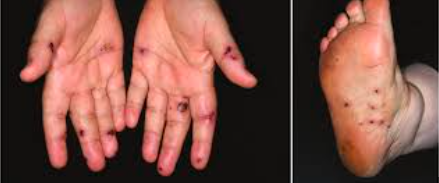
The Centers for Disease Control and Prevention describes rat bite fever (RBF) as a disease with symptoms such as fever, redness, swelling, warmth at the bite site, blood, pus, joint pain or swelling, and a rash on the hands and feet (usually two to four days after the fever starts). Rat bite fever is uncommon. However, cases may not always be identified because the bacteria are difficult to diagnose and the condition usually responds well to prescription antibiotics. Between 20,000 and 40,000 rat bites are reported in the United States each year, and the risk of developing rat bite fever is estimated to be about 10%. Petting or handling an infected rat can transmit the bacteria even if you are not bitten. People can also get rat bite fever by eating food or drinking water contaminated with rat droppings. If rats are able to enter your home, they may bite people in their sleep.
The two bacteria responsible for rat‐bite fever include Streptobacillus moniliformis or S. moniliformis (most common in the United States) and Spirillum minus or S. minus (most common in Asia).
The signs and symptoms of infection from each type of bacteria are slightly different. Fortunately, rat‐bite fever can be effectively treated with antibiotics. However, if left untreated, rat‐bite fever can be fatal.

Streptobacillus Rat‐Bite Fever
Pay attention to the following symptoms and seek medical attention immediately if you experience any of the following symptoms:
- Fever
- Headache
- Vomiting
- Pain in back and joints
- Rash on the hands and feet, often accompanied by one or more swollen joints
Symptoms of rat‐bite fever usually appear 3 to 10 days after exposure or bite, but can occur up to 3 weeks later. The rash usually appears 2 to 4 days after the fever. Don’t assume you’re safe just because a bite or scratch appears to be healing. The infection may still be in your body. In fact, you may not develop a fever until after the wound has healed.
Complications from S. moniliformis infection include the formation of infected fluid‐filled pockets, called abscesses, in the abdomen or other parts of the body. Infection can also lead to hepatitis, meningitis, pneumonia, and a kidney disorder called nephritis. About 10% of people infected with S. moniliformis die from the infection.
Spirillum rat‐bite fever
Symptoms of S. minus rat‐bite fever usually appear 1 to 3 weeks after exposure to an infected rodent. They are more varied than those of streptobacillus rat‐bite fever. If left untreated, S. minus rat‐bite fever can be fatal when the infection spreads to the heart, brain, lungs, or other internal organs. The following symptoms to watch for:
- Fever, which may go away and recur
- Irritation and possible ulceration at the bite site
- Swollen lymph nodes
- Swelling around the wound
- Purple or red rash
Haverhill fever
Another form of rat‐bite fever is Haverhill fever.
You can get this infection if you consume food or liquid that has been contaminated with bacteria from rats. Symptoms can include severe vomiting and a sore throat.
First aid steps for rat bites
There are several steps to take immediately after you or someone else is bitten by a rat:
- If you are helping someone else who has been bitten by a rat, take general precautions and wear personal protective equipment if available;
- Stop the bleeding by pressing firmly on the wound with a clean gauze or tissue, Clean the wound with soap and warm water, making sure to clean the inside of the wound. Make sure to rinse off all the soap, otherwise it will cause irritation later;
- Cover the wound with a clean, dry bandage. You may apply antibiotic ointment to the wound before bandaging;
- If the injury is on a finger, remove all rings from the injured finger, in case it swells;
- Try to trap the rat after it has been bitten. This way, a medical professional can examine it later, if necessary, to determine if the animal is infected.
How to treat rat bites
- Hemostasis;
- Clean the wound with soap and warm water;
- Apply antibiotic ointment and oral antibiotics systemically;
- Cover the wound with a clean, dry medical bandage;
- Monitor for signs of infection ( fever, redness, swelling, heat at the bite site, bleeding).
When to see a doctor
Even if you have treated the bite at home, always seek medical attention after a rat bite. You may need a tetanus shot or stitches.
Wounds on the face or hands are of particular concern due to the risk of scarring or loss of function and should always be evaluated.
How to stop bleeding in an emergency
Antibiotic treatment for rat‐bite fever
Rat‐bite fever should always be treated by a doctor. If left untreated, rat‐bite fever can cause serious complications that can lead to death. Your doctor will prescribe antibiotics, which may include: Amoxicillin, Penicillin, Erythromycin, Doxycycline, Tetracycline
Patients with severe forms of rat‐bite fever that affect the heart may be treated with high doses of penicillin and the antibiotics streptomycin or gentamicin.
In summary, rat‐bite fever is a serious infection that is often harmful to humans. The bacteria S. moniliformis found in American rats is associated with rashes and flu‐like symptoms.
S. minus bacteria found in Asian mice can cause swollen lymph nodes and irritation around wounds.
Both of these bacteria cause infections that can be fatal if left untreated. Fortunately, the condition can be cured with antibiotics.
Avoiding contact with rats whenever possible is the best prevention, but if you are bitten, scratched, or even exposed to a rat, contact a medical professional immediately.
Source
- https://www.cdc.gov/ About rat bite fever (RBF)
- https://www.cdc.gov/rat‐bite‐fever/hcp/clinical‐overview/ Clinical overview of rat bite fever
- https://www.medicalnewstoday.com/articles/rat‐bite‐fever/What to know about rat‐bite fever
Author: CN. Nguyen Thai Hoang, PhD. Huynh Hong Quang
(Quy Nhon Institute of Malaria, Parasitology and Entomology)


